There’s a ritual to looking at a surfboard.
At first, it’s just a board. It could be a foamy, as beginner boards are called. A surf school board. Big, easy, bloated, soft and fun. Nothing threatening. With your first real board, things get serious as you get serious. You may still be a beginner, but you would rather not look it.
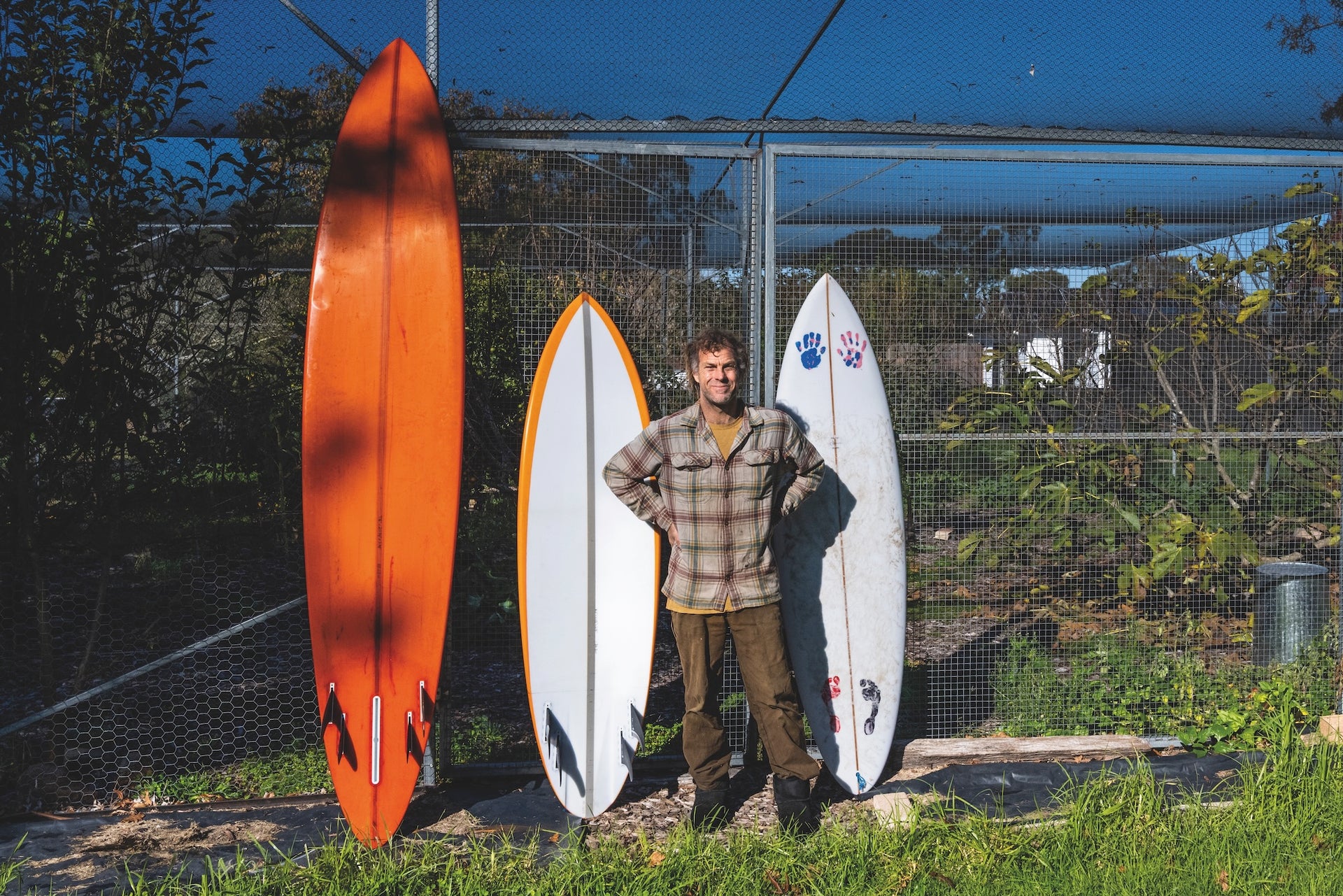
The ritual goes like this: Pick up the board. Feel the rails… not too quick, up and down run your hands, eyes along the boards’ length, from tip to tail. Then eyeball the centre line (the ‘stringer’) as you tip the board up and down looking along from the nose, following the curves. At first, you won’t really know what you’re looking at, but over time you see the subtleties sculpted into this craft shaped to glide on the water.
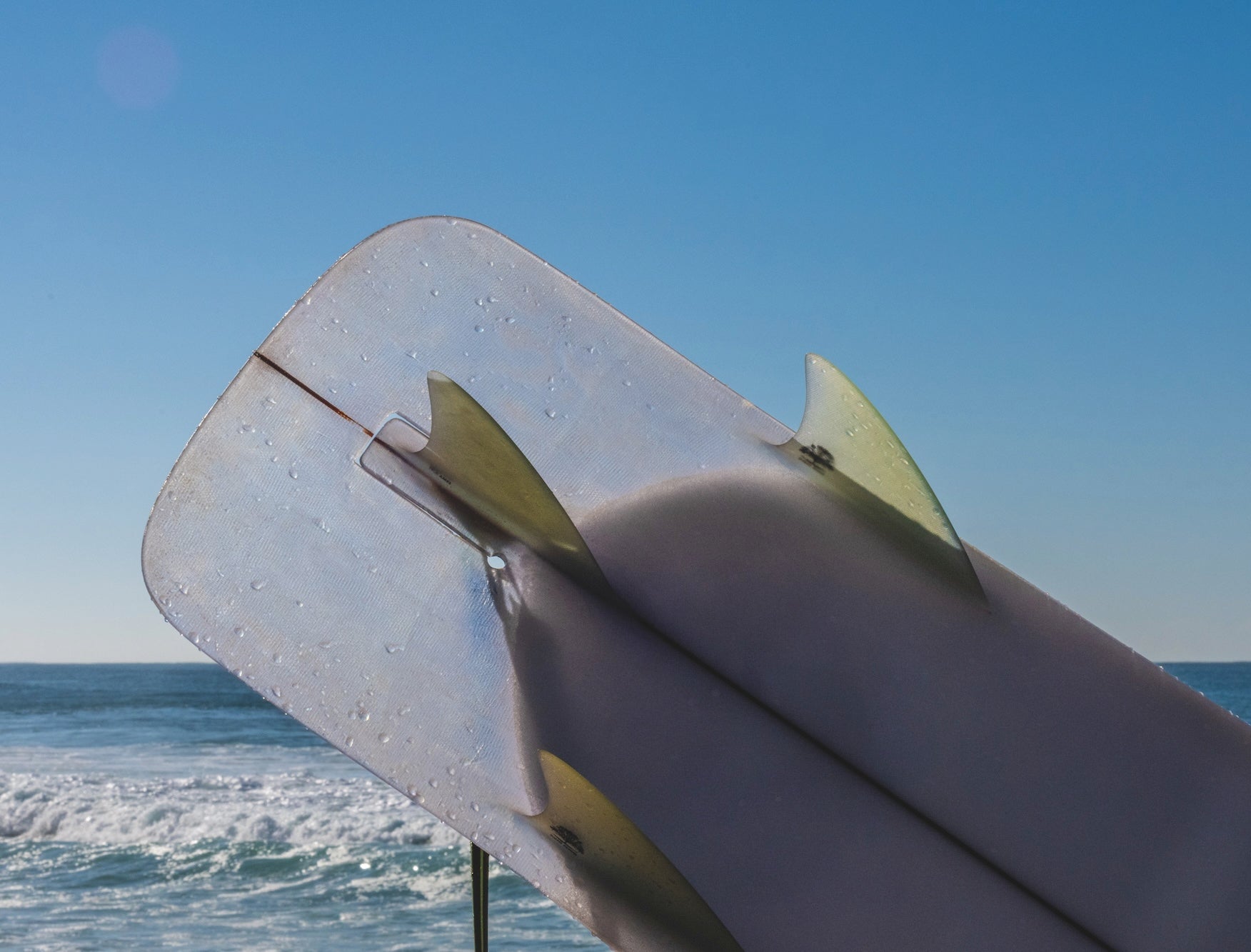
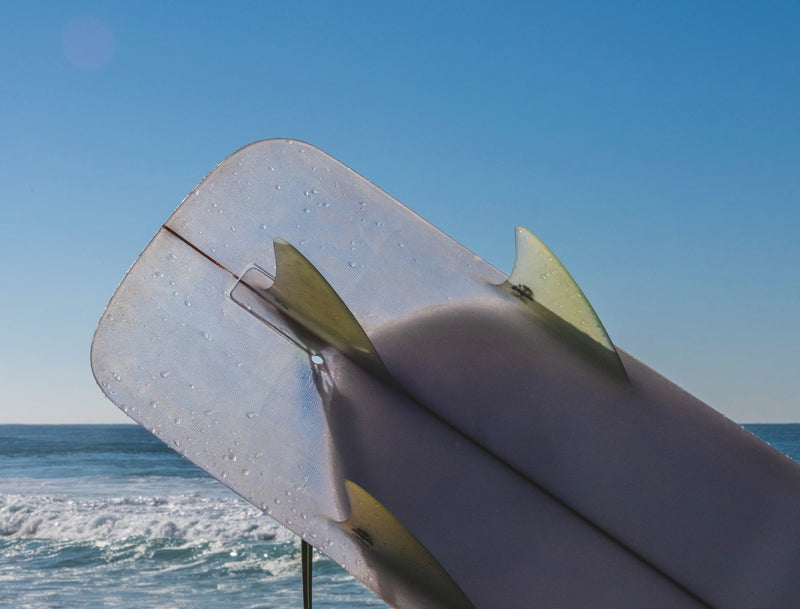
And not to forget the fins, the things that keep the back at the back, being their most basic function, but evolved to provide thrust and lift, with myriad foils and aspect ratios (depth to width), rakes, and shapes. They can be glassed on or be one of several fin systems that allow instant change to suit conditions.
It’s all surf nerd stuff, but these simple pieces of (usually) foam and fibreglass are a complex mix of an infinity of variables, each having a profound effect on the way a board feels. The odd thing is most surfers have little clue what any single design aspect does until years go by, and they begin to know the feelings each brings. It takes dozens of boards, over years and years and, indeed, over a lifetime. New recipes, new flavours, new feelings.
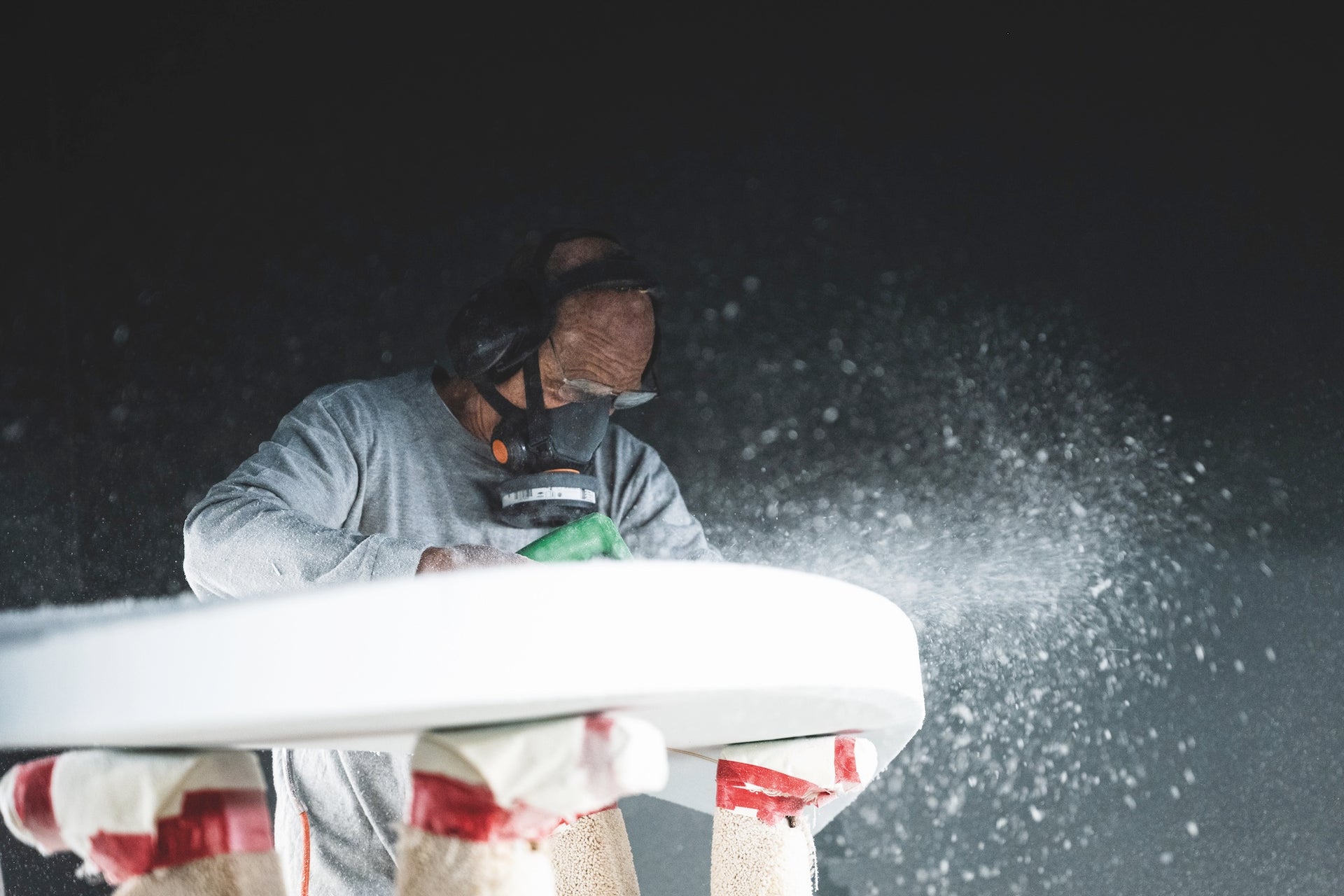
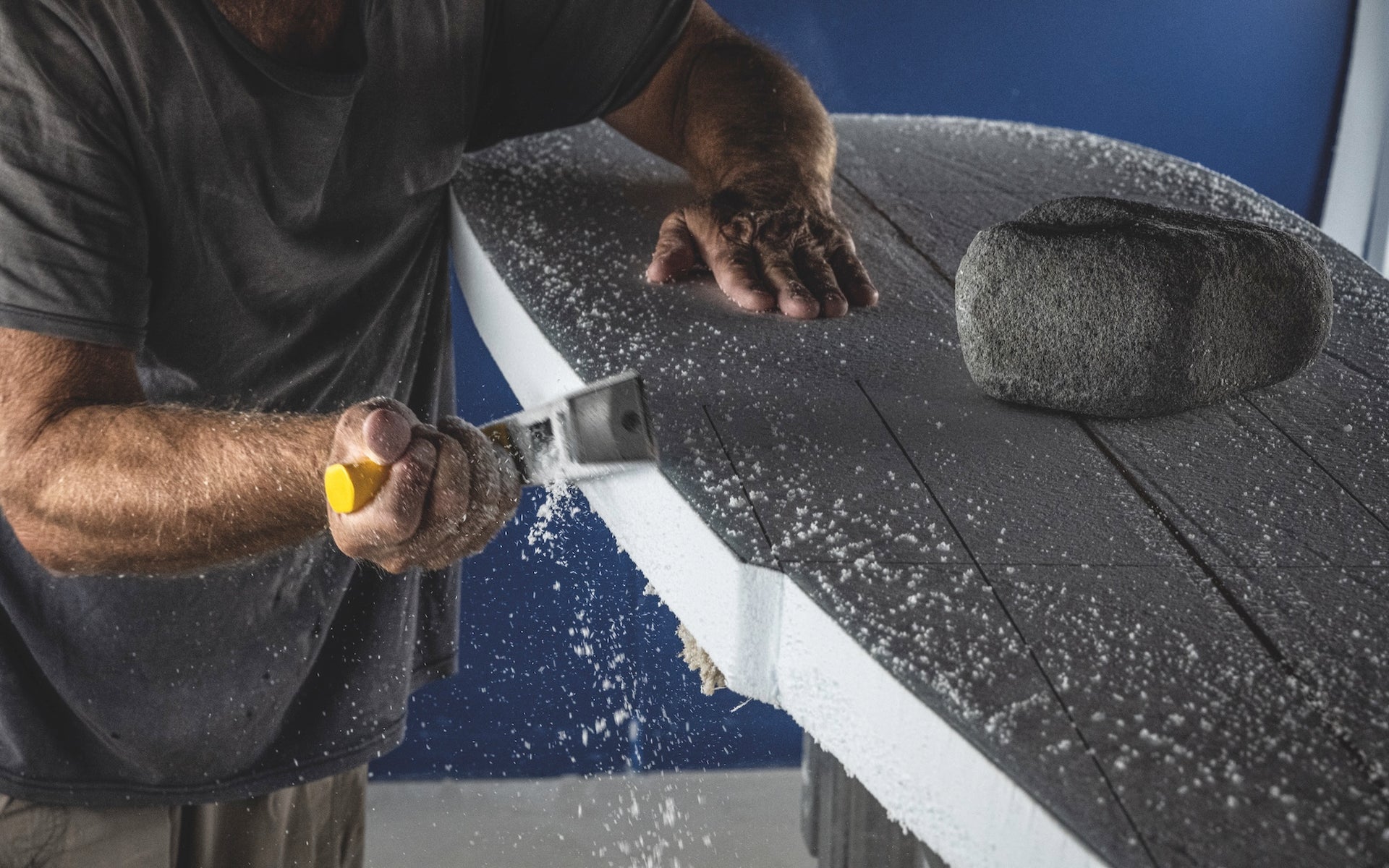
Nowadays, boards are made around the world, from factories in Asia, to bespoke artisanal wooden board makers crafting shapes with internal structures akin to aircraft wings. The source code of all boards though, through the thousand-plus years of the art, is the shaper. The artist/craftsman who imagines into existence an object with which to ride waves.